Ash Tree Varieties: Learn All About Ash Trees
Information technology is ofttimes said that the ash tree is as American as apple pie. There'south merit to that argument since, at some indicate, it was a fixture of gardens and lawns in urban and suburban America. While its popularity has dropped a notch or two, the ash tree is nonetheless a favorite of every proud new homeowner.
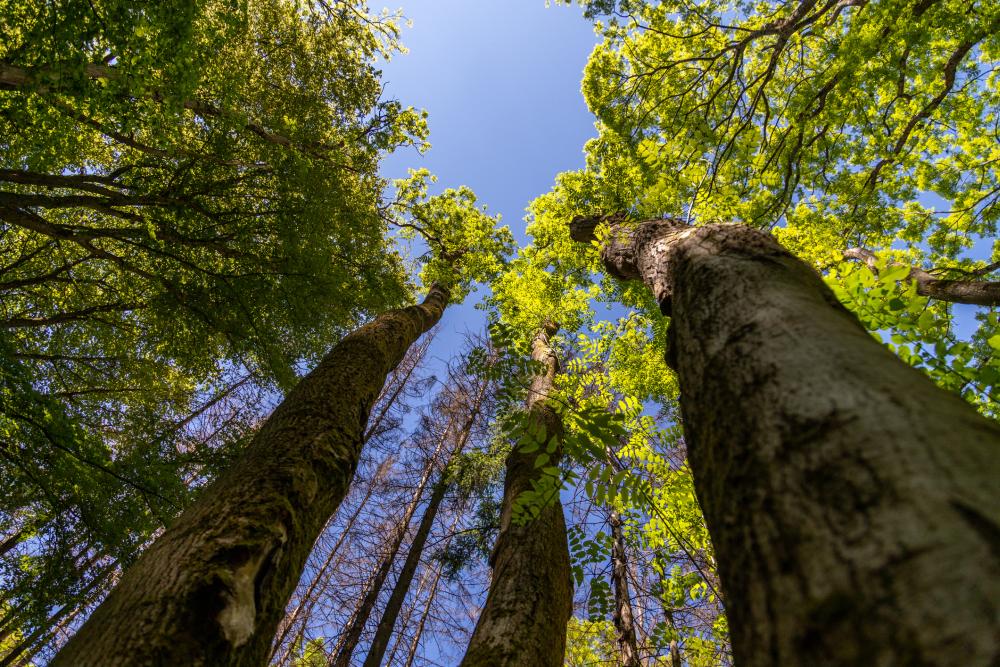
It is estimated that 65 ash species exist beyond the world, with xviii of them native to Northward America. And while the ash tree across the United States is however pop, the tree itself is in danger due to a tiny beetle called the emerald ash borer. So in a way, every new ash tree that a homeowner plant in their garden contributes to the survival of this iconic tree. Read on to know more than near ash tree varieties and what makes each tree stand out.
California Ash (Fraxinus dipetala)
While not equally tall or prominent as other ash species, California ash has its distinctive qualities. A native of California, Arizona, and Nevada, the tree is more of a shrub growing simply to about 21 feet loftier.
But if tiptop is non the tree's most distinguishing feature, it makes up for it with a unique leaf construction. The leaves usually grow in small clusters of about vii leaves. They are calorie-free light-green until they turn ashen yellow and drop in the fall. The edges are oftentimes serrated and can cause quite an crawling when they come in contact with the pare.
The flowers of the California ash are another allure. They are minor, white, and have two petals each. This is why this ash is sometimes chosen the two-petal ash. They have a fragile fragrance that spreads in cool summer evenings.
The California ash requires little maintenance and care once you get it started. It's all-time suited for zones vii and 9 and thrives in warm, dry conditions. Y'all'll need to plant it in a spot that gets the total sun. As for h2o requirements, the tree has a high tolerance for drought, so if you become moderate rainfall every year, that should exist enough for the established ash.
The chief pest that affects the California ash is the emerald ash tapping.
White Ash (Fraxinus americana)
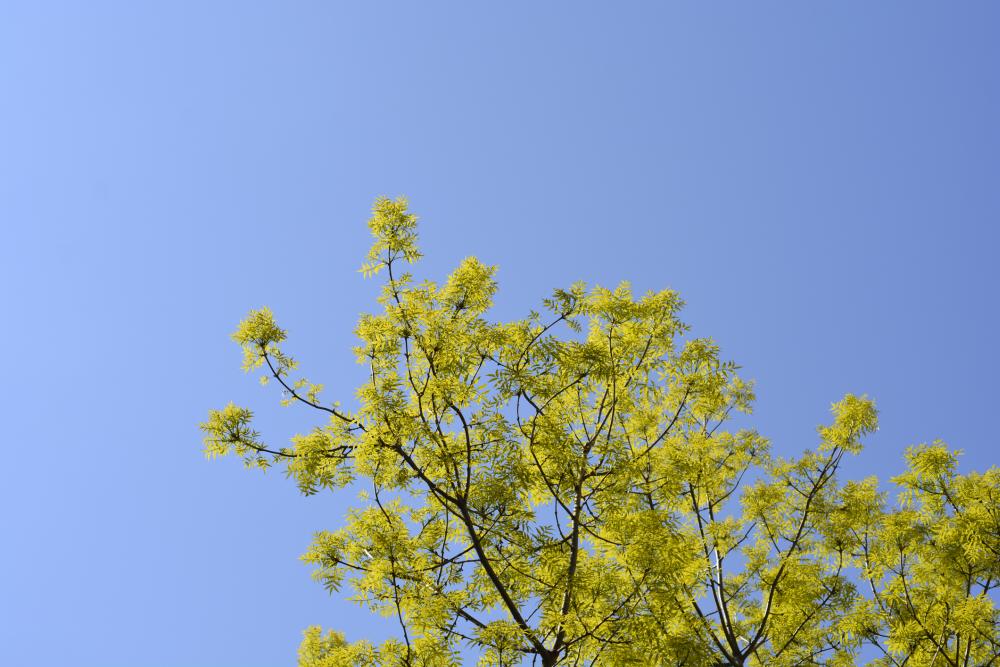
A true American ash, the white ash can exist found growing all over North America from Nova Scotia upwards due north all the way down to Texas and Florida. There accept been successful attempts to abound it in Hawaii every bit well.
Along with green ash, white ash is the virtually prevalent ash species in America. In fact, it'southward hard to distinguish the two ash species from each other, because how like they are. The leaves, for case, are so much similar in size and shape the simply way to tell them apart is to look at the underside of the leaf.
White ash leaves take two-shade leaf undersides. Near the node, the foliage is night dark-green, and it blends into lighter shades of dark-green toward the tip. Another tell-tale sign is the tips of the shoots. They're usually flaky compared to the smoother stems of the green ash.
The green leaves of the white ash go a dramatic change of color in the fall. They turn into fiery orange and red, and the clusters of 7 leaflets put on a expert bear witness. Eventually, the leaves will drib in the late autumn, and the tree goes dormant until the spring.
The white ash is suitable for about hardiness zones, but they specially prosper in zones 3 to 9. It's a tall tree towering over 80 feet high and requires full dominicus. Similar many other ash types, the emerald ash borer is its mortal enemy.
Blackness Ash (Fraxinus nigra)
Another large ash that grows to about 60 anxiety, although in the correct conditions, it could reach 75 anxiety easily. The black ash is also deciduous, and it sheds its lush canopy in the fall. Only it'due south the bark that gives information technology that name. The black ash has a scraggy grayness or black bark fifty-fifty at a young age. Even the buds that sally in the winter start out as black before turning into light light-green.
Its natural habitat centers mostly around the northeastern parts of the The states and eastern Canada. Yet, recent infestations of the emerald ash borer have almost threatened the very being of this once ubiquitous tree.
With a thick body measuring nigh 24 inches in diameter, the black ash needs plenty of infinite to grow and flourish. And unlike many other ashes, this one produces its flowers earlier its leaves. The small flowers have no petals and add no ornamental value to the tree. Before you even notice them, they become pollinated past the wind and disappear.
The leaves, on the other hand, put on a more impressive testify. The bright greenish leaves abound in clusters of four to 7 leaflets. The long leaf is well-nigh 8 inches long, although sometimes information technology volition grow to about 18 inches. It has a toothy border, although it poses no hazard when information technology comes in contact with the peel.
In the fall, the leaves become matted yellow before falling. And although the tree has its distinctive ornamental and shade values, its susceptibility to pests makes it unsuitable for many urban areas.
European Ash (Fraxinus excelsior)
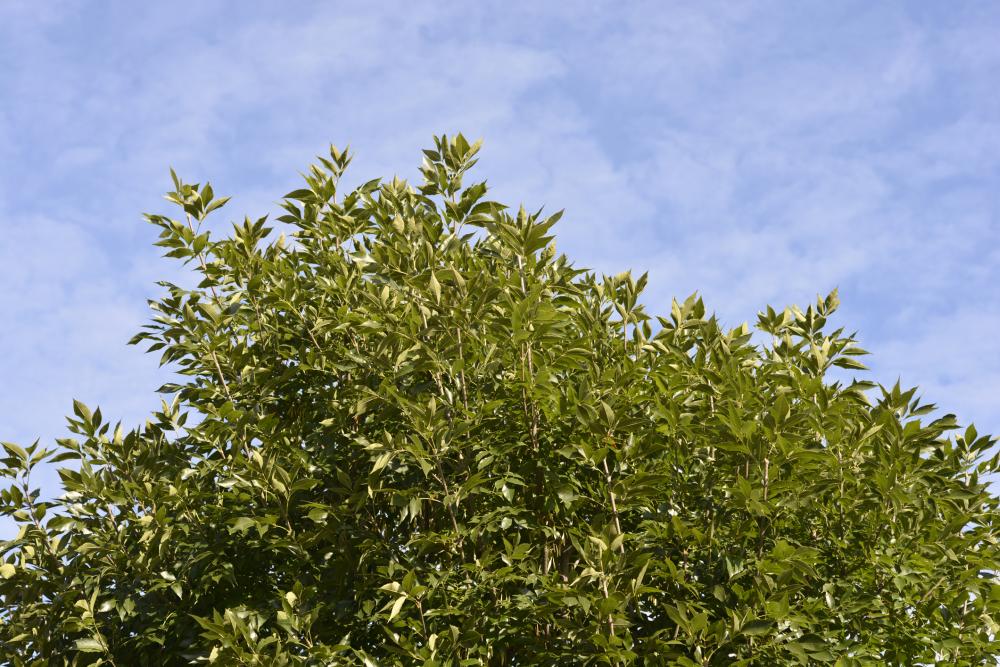
As the proper name implies, this ash is native to Europe. It grows from United kingdom to the west and covers the whole of the continent, with some clusters even found equally far north as Kingdom of norway. The European ash has also found a home in parts of the U.s.a., Canada, and even New Zealand.
Averaging betwixt xl to 58 feet alpine, this ash is ideal for medium to large gardens and lawns. It has a slender torso that grows to most 6 feet in diameter with smooth and gray bawl. Older trees have scarred bark which turns increasingly dark every bit the ash ages.
The leaves abound in clusters, equally is the case with many other ash species. Each leafage is almost 13 inches long and has an elliptic shape. You should exist careful touching the foliage as the leaves take abrupt and serrated edges.
Information technology's also foliage that doesn't stay long on the tree. As ane of the latest to abound leaves in this family, the European ash is besides i of the first to shed those leaves. So information technology'southward fair to say that the tree displays its bare branches for the all-time role of a one-half year.
Another singled-out characteristic of this ash is how one tree can produce male flowers ane twelvemonth but female person flowers the next. The flowers are normally night without petals and are gone before anyone tin notice them.
Probably the only advantage the European ash has over more ornate ash species is that information technology doesn't autumn prey as easily to the emerald ash borer.
Bluish Ash (Fraxinus quadrangulata)
The bluish ash grows mainly in the midwest and is a medium-sized tree. As with other ash species, it'southward as well deciduous and sheds its beautiful foliage in the fall. But this ash has some really intriguing features that set it apart from other members of the family. For one matter, its twigs have a squarish appearance because they take four ridges (quadrangulata means iv angles).
This ash also produces its flowers earlier the leaves. In the early jump, minor, purple leaves sally on the bare branches. After being pollinated by the air current, they are replaced by small fruits virtually two and a half inches long. The samara fruits are not edible, and apart from the wings, they only take seeds.
The leaves of the blue ash are pretty much similar to other ash species. They grow in clusters of 5 to 7 leaflets, and each slender leaf is about five inches long and one inch beyond. The leaf edges are securely serrated.
Apart from its fine timber, the bluish ash besides provided early settlers with dye from its night bawl. It has a college resistance to the emerald ash borer than other ashes, and so it's a good candidate for gardens as a shade tree. It grows well in zones 5 to 7 and favors the total sun.
Green Ash (Fraxinus pennsylvanica)
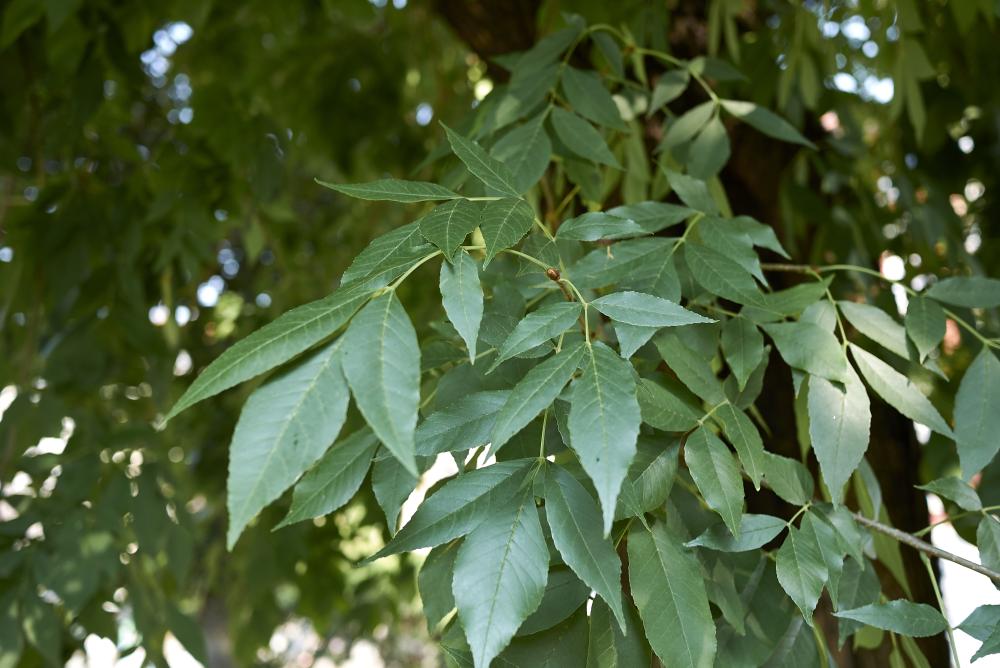
Besides white ash, green ash is probably the most widely seen ash merely about anywhere you go. Even if you have never left the boundaries of the urban center, the green ash is nonetheless a permanent fixture in many urban settings. It grows naturally along the e coast of North American, covering a large landscape from Florida in the south to Nova Scotia in the north.
Green ash is known past many other names, including crimson ash, swamp ash, downy ash, and water ash. It grows to about lxxx feet on average, although it can reach 140 feet in the right conditions. The bark of the young tree is usually grayness and smooth, but with age, it cracks upwardly and becomes less highly-seasoned.
One of the reasons it'southward chosen ruddy ash is the red buds that emerge in the late winter. Many ash species with a color in their names are named after the color of those buds. Every bit for the foliage, it'south lush green during the bound and summer simply turns xanthous in September before the leaves fall.
The leafage of the green ash is about 12 inches long and 3 inches broad. The edges are serrated and sharp. Information technology's a good ornamental and shade tree except for its vulnerability to the emerald ash borer protrude. It grows well in zones 3 to eight.
Pumpkin Ash (Fraxinus profunda)
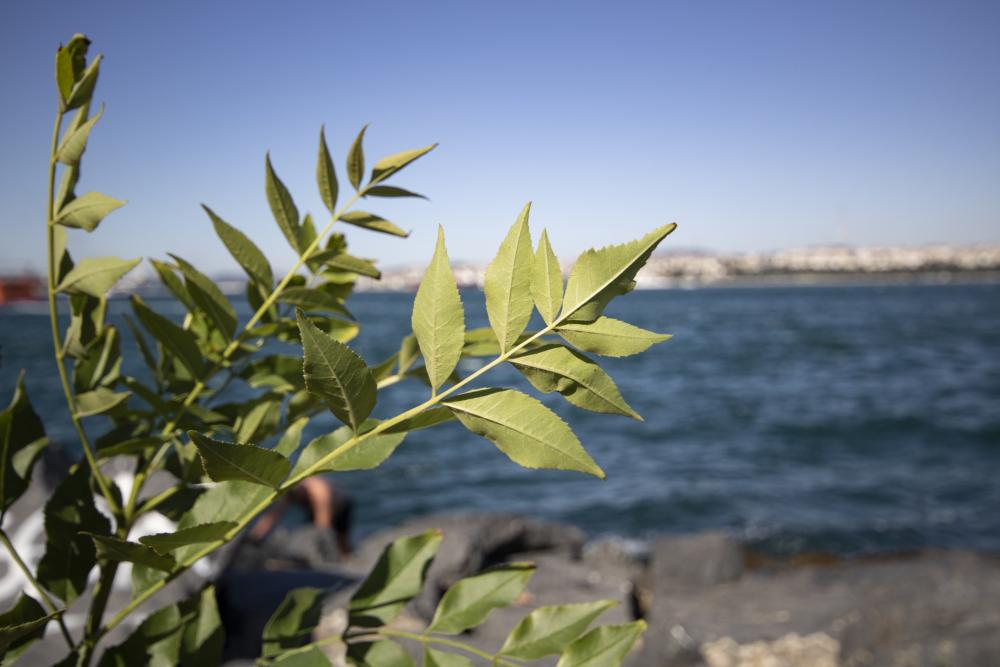
Native to North America, the pumpkin ash has rather big fruits and a swollen trunk which gives it this unique proper name. In general, it's a medium-sized ash, just in the right surroundings, it tin can reach 150 anxiety tall with a sizable body that grows to 15 feet in diameter.
The bark is usually gray and smooth on young trees simply rapidly acquires a diamond design of fissures equally the tree ages. In the winter, minor buds emerge on the branches with a dark color. They are polish and velvety to the touch. But in one case the spring arrives, the tree makes a splash with tiny purple flowers that appear a few weeks before the starting time leaves.
The leaves grow in clusters of nine leaflets. The leaves grow to about 14 inches long, while the leaflets are only 8 inches long. The underside of the foliage is featherlike while the edges are finely toothed. They turn bronze in the fall.
One-time pumpkin ash trees have a rather unpleasant feature. Their bawl thickens, becoming deeply fissured, earlier developing into ridges. In near landscapes, that's non the platonic expect you'd wait out of your tree. Another drawback is, of course, the emerald ash borer. The beetle has threatened the species beyond the whole of Northward America.
Apart from that, the pumpkin tree is piece of cake to grow in many landscapes in zones 4 to 9 and favors the full sun.
Source: https://www.diys.com/ash-tree-varieties/
0 Response to "Ash Tree Varieties: Learn All About Ash Trees"
Post a Comment